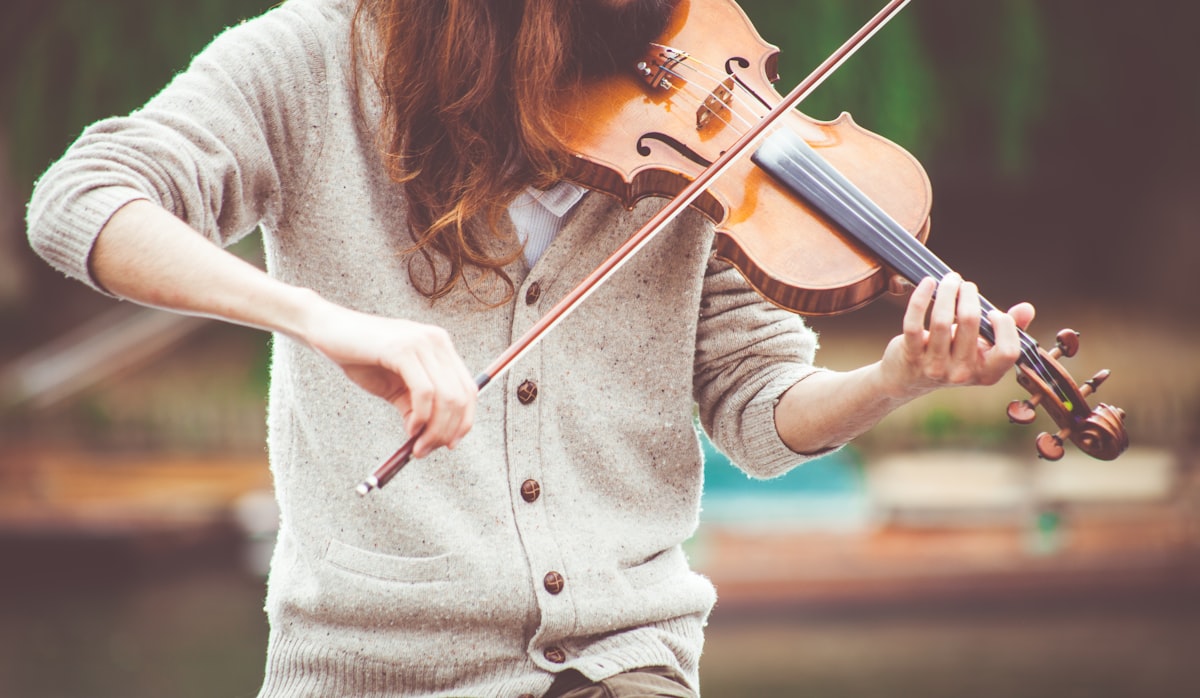
Almost every student who walks in frustrated with a piece they "can't seem to get" has the same problem: they are practising it at tempo. The piece feels hard because they are playing it fast, and playing it fast means rehearsing mistakes. Every repetition at full speed teaches the hands the wrong version of the bar.
Slow is the shortcut
Here is the thing nobody believes until they try it: playing a passage at half speed, cleanly, three times, teaches you more than playing it at full speed ten times with errors. The slow repetition lets your hands find the shape without the panic. Once the shape is there, the speed arrives on its own.
We tell students to find the tempo at which they can play the bar perfectly — usually much slower than they expect — and stay there until it is boring. Boring is good. Boring means it is easy, and easy is when you are allowed to go faster.
A simple test
If you cannot play the passage slowly, you cannot really play it — you have memorised the frantic version. Try it at half speed tomorrow. If it falls apart, you have found the work. That is not bad news; that is the map.
The goal of practice is not to play the piece. The goal is to make the easy version of the piece possible.
Slow practice is not a beginner's tool. It is what professional musicians do in the practice room every morning. We have yet to meet a student who regretted trying it.