Designing for Northern Light
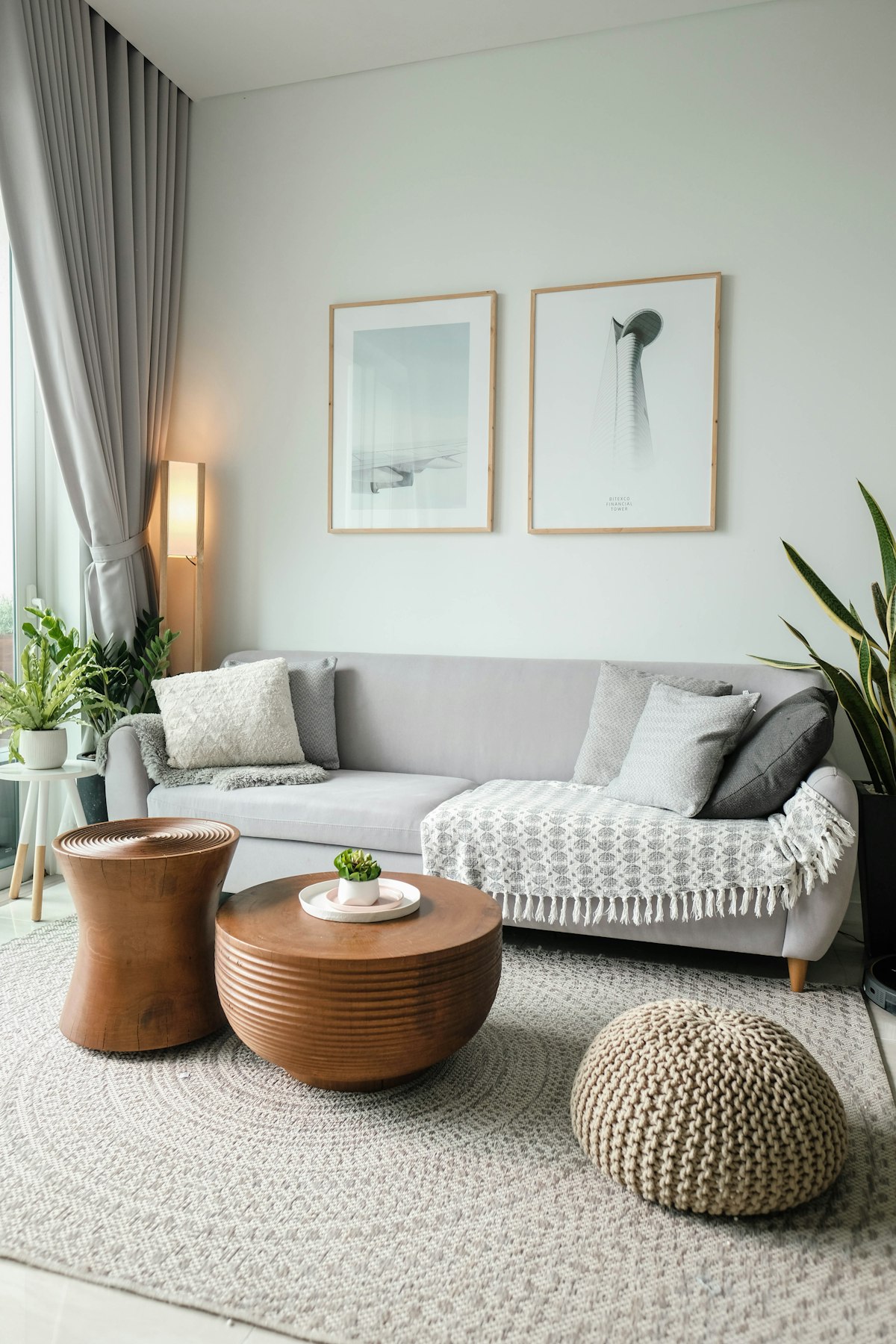
North-facing rooms receive a light that is cool, even, and raking — a light that flatters matte surfaces and punishes glossy ones. Designing for it is a discipline of restraint.
We begin by accepting the light rather than fighting it. Where a south-facing room invites reflective surfaces, a north room rewards materials that absorb and re-emit: limewashed plaster, matte oak, unglazed stone. These surfaces take the cool light and return it softened, glowing rather than glaring.
Color temperature matters as much as color. We lean into warm neutrals in north rooms — travertine, oak, oxblood, brass — to balance the coolness of the light without pretending the room faces south. The aim is harmony, not correction.
Finally, we design the light the room lacks. A layered lighting strategy — a soft wash for the ceiling, a focused pool for a chair, a candle's worth at a shelf — lets a north room shift from cool clarity by day to warm intimacy by night. The architecture, in the end, is in service of that transition.