Breath as medicine: three pranayamas
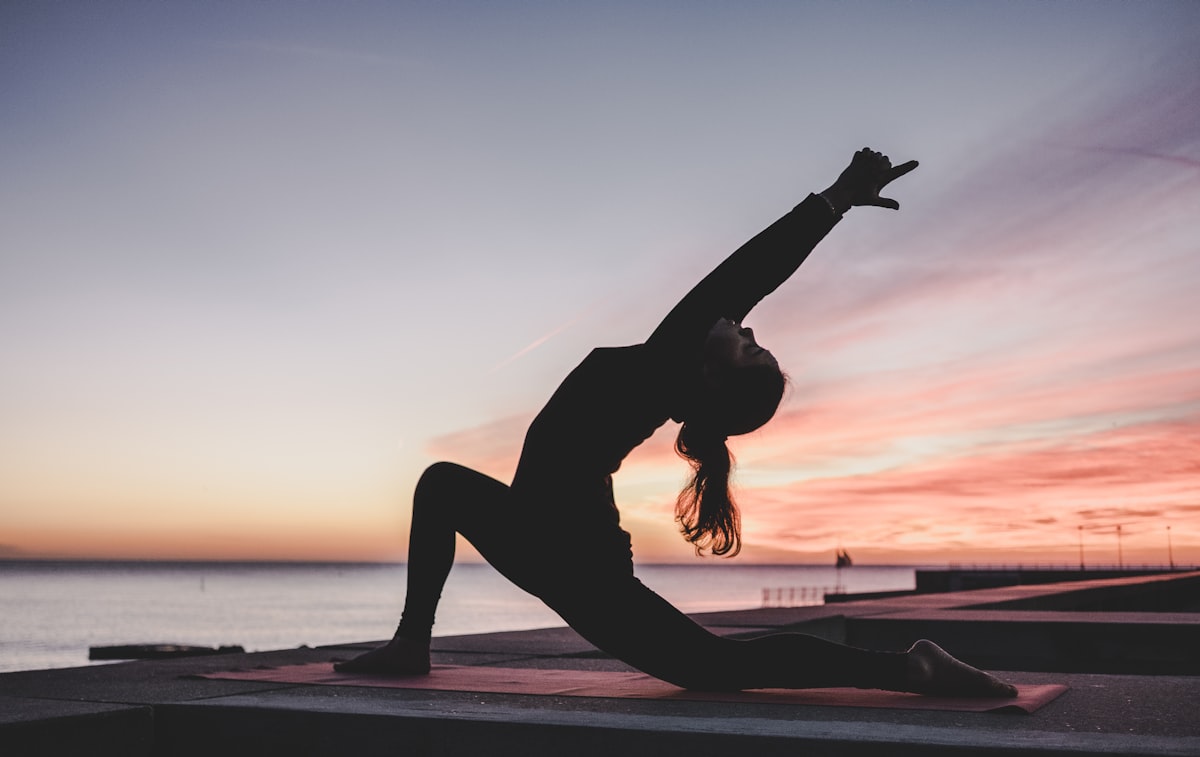
Your breath is the only part of the nervous system you can voluntarily steer. These three techniques are small, safe and surprisingly specific.
At Sattva Grove we teach pranayama not as a performance but as a pocket tool. Below are the three we prescribe most — each under five minutes, each with a different job.
1. Nadi Shodhana — alternate-nostril, for scattered focus
Close the right nostril with the thumb, inhale left for four counts. Close left with the ring finger, exhale right for six. Inhale right four, exhale left six — that's one round. Six rounds, eyes closed, shoulders soft. Use before meetings, before deciding, before sleep that won't come because the mind is still running.
2. Dirgha — three-part breath, for anxious energy
Place one hand on belly, one on chest. Inhale to fill belly (1-2-3), then ribs (1-2-3), then chest (1-2). Exhale reverse — chest, ribs, belly. Five rounds with a one-count pause at the top. It gives the breath somewhere to go other than the throat. Good for traffic, for waiting rooms, for 3 PM slumps.
3. Bhramari — honey-bee breath, for tension headaches
Inhale through the nose, exhale with mouth closed and a soft hum, fingertips lightly covering the ears. Not loud — a private buzz inside the skull. Six rounds, then sit normally and notice the hum fading. The vibration gently relaxes the jaw and temples where we store unspoken stress.
“Pranayama is not about breathing more. It's about breathing less, but better.” — Leela Joseph, Breathwork Lead
Start with one technique, not three. Pick the one that matches your current state and keep it for a week. If you feel dizzy or irritated, return to normal breathing — the body is not a project to push.
Practice together: Our Sound Bath & Breathwork on Fridays includes all three, with singing bowls to close.